Architecture is constantly evolving, but some materials remain relevant across generations. Travertine stone is one of them.
Recognized for its warm colors, naturally porous texture and distinctive surface movement, travertine has been used in architectural spaces for centuries. Today, it continues to find its place in contemporary residences, luxury hospitality projects, landscaped gardens and sophisticated commercial environments.
At STONE MOTA, we see travertine as more than a finishing material. Its natural character can influence the entire atmosphere of a space.
What Makes Travertine Stone Special?
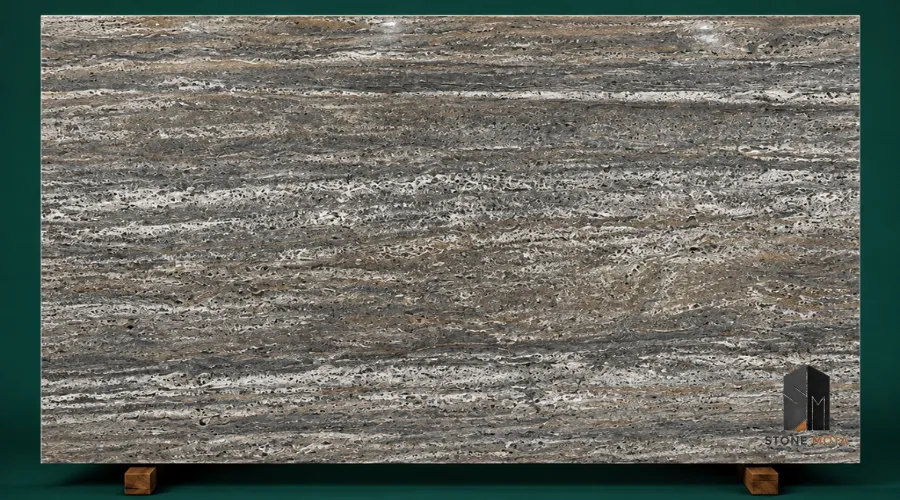
Travertine is a natural stone formed through mineral deposits, creating the characteristic pores, layers and tonal variations that make each piece visually different.
Unlike synthetic surfaces designed to look identical from one piece to another, natural travertine has variation built into its appearance.
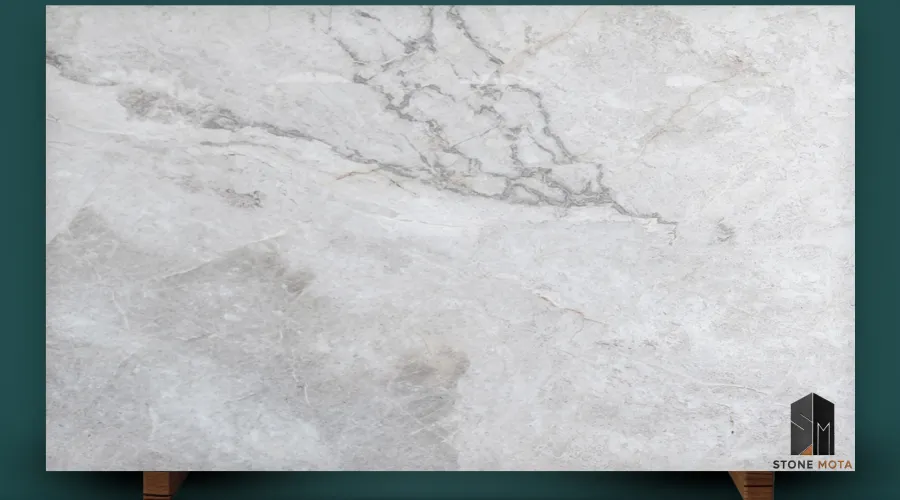
Its palette can range from soft ivory and cream to beige, warm brown and other earthy tones. These colors make travertine particularly adaptable to architectural environments where designers want to create a connection with nature.
The result is a surface that can feel refined without appearing artificial.
Travertine in Contemporary Architecture
One of the most interesting qualities of travertine is its ability to work with very different architectural styles.
In minimalist architecture, large areas of light travertine can soften sharp geometric forms.
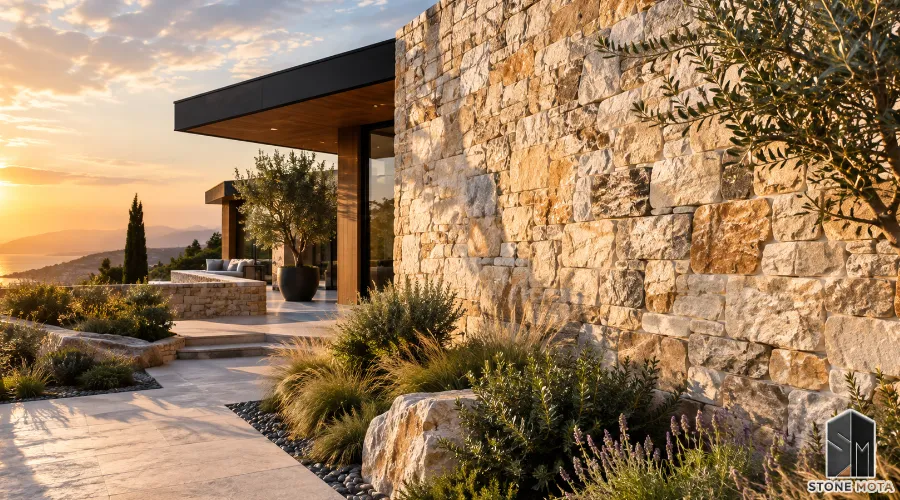
In Mediterranean-inspired projects, its warm texture can reinforce the relationship between buildings, courtyards and landscaping.
In contemporary luxury architecture, carefully selected slabs and precise installation can create a sophisticated yet understated appearance.
This versatility makes travertine stone suitable for both traditional concepts and modern architectural language.
Where Can Travertine Be Used?
Travertine can be considered for a wide variety of applications.
Travertine Flooring
Travertine flooring can introduce natural warmth into living areas, entrance halls, hotels and other spaces where a stone surface is desired.
The choice of finish and surface treatment can significantly influence the final appearance.
Travertine Wall Cladding
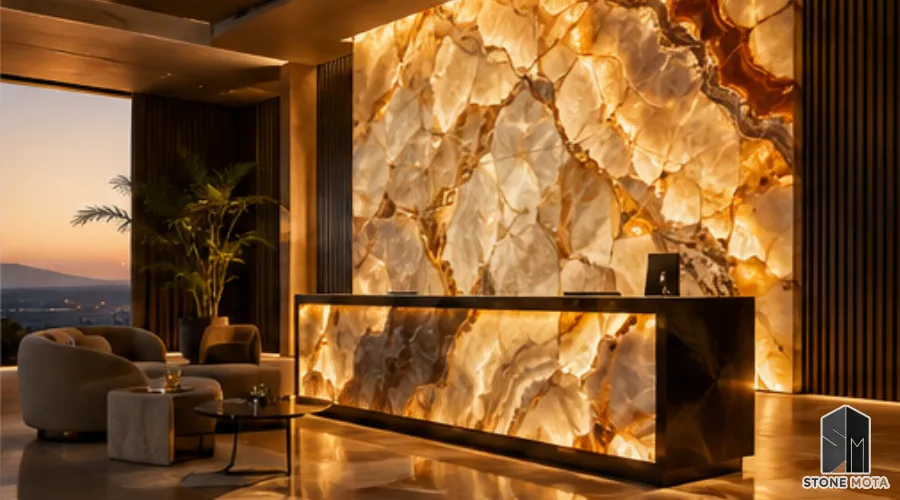
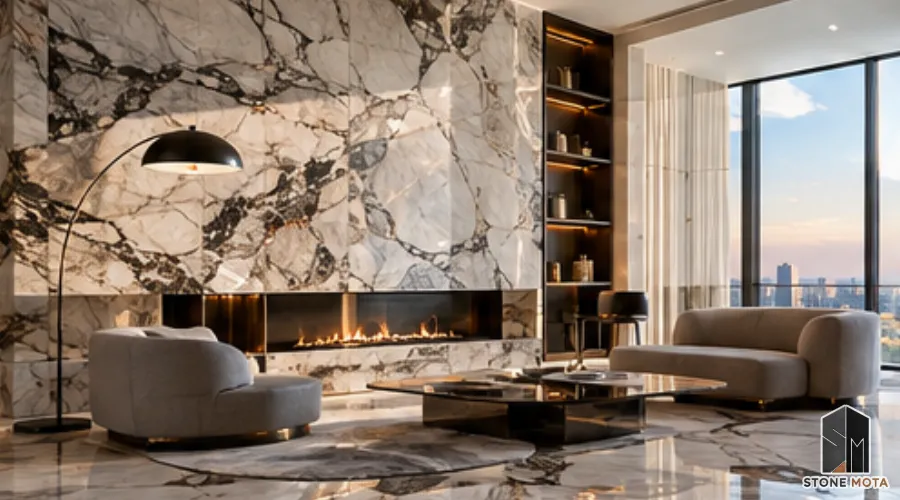
A travertine wall can become an architectural feature rather than simply a background surface.
It can be used on interior feature walls, fireplaces, entrances, façades and selected landscape structures.
Outdoor Spaces
Travertine works naturally with outdoor environments.
It can be incorporated into:
-
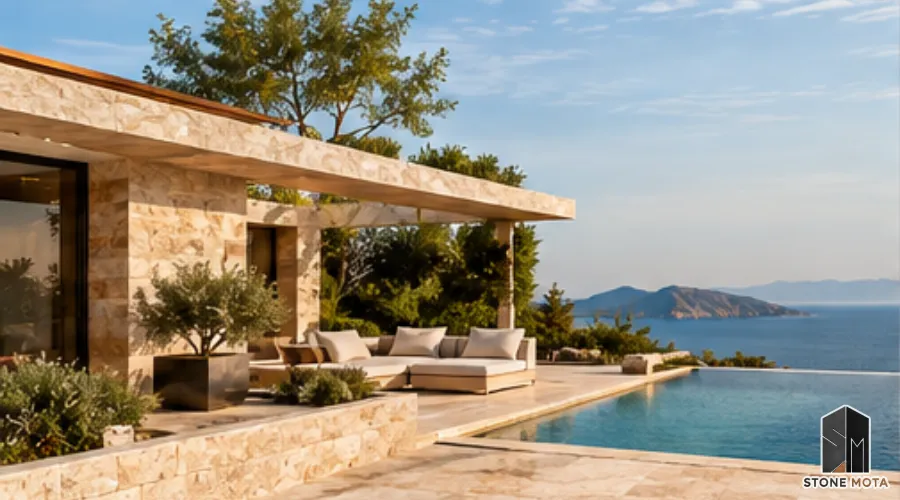
Pool surrounds
-
Terraces
-
Courtyards
-
Garden pathways
-
Outdoor seating areas
-
Landscape walls
-
Architectural façades
Its earthy appearance allows it to interact naturally with plants, water, timber and other outdoor materials.
Choosing the Right Travertine Finish
The same stone can produce very different visual results depending on its surface treatment.
A polished surface can create a more refined appearance, while honed finishes tend to offer a softer and more contemporary character.
Tumbled or textured surfaces can emphasize the natural personality of the material and work particularly well in rustic or landscape-oriented projects.
Before selecting a finish, designers should consider lighting, location, expected traffic and the overall architectural concept.
Color Matters More Than You Think
Travertine is often associated with warm neutral colors, but the range of tones and natural variation can be much broader.
Light travertine can help create an airy and spacious environment.
Beige and cream tones can provide warmth without becoming visually dominant.
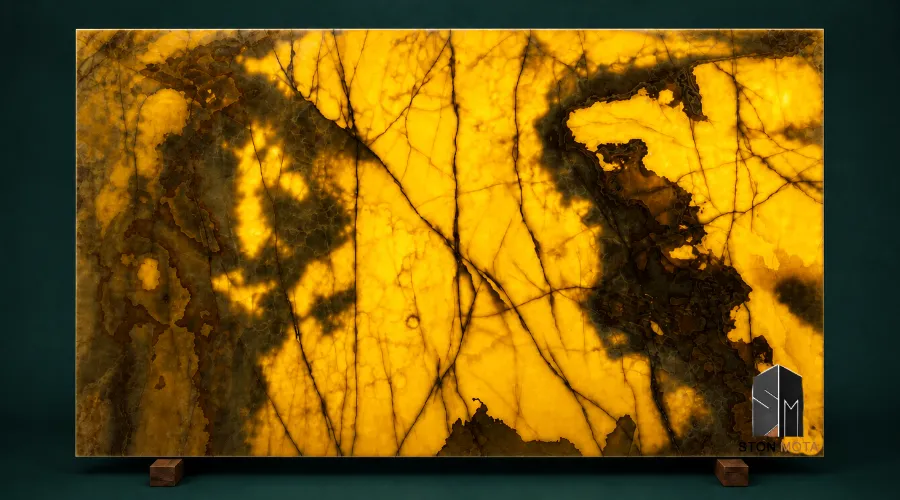
More pronounced patterns and darker variations can be used where the stone is intended to become a stronger architectural element.
The best selection is not necessarily the most uniform stone. In many projects, natural variation is exactly what gives the material its character.
Travertine and Natural Light
Lighting can transform the appearance of natural stone.
Morning sunlight may emphasize warm undertones, while evening lighting can create deeper shadows across textured surfaces.
For exterior architecture, the changing daylight can reveal details that are less noticeable under artificial lighting.
For interiors, carefully positioned architectural lighting can highlight the texture and natural movement of a travertine wall.
This is why stone selection should ideally be considered together with the lighting concept.
How to Maintain Travertine Stone
Like other natural stones, travertine should be selected and maintained according to its intended application.
Proper cleaning methods, suitable products and appropriate sealing can help preserve the appearance of the surface.
The maintenance approach should depend on the finish, installation environment and level of use.
Professional guidance is recommended when selecting treatments for high-traffic areas or demanding commercial applications.
Travertine for Timeless Design
Design trends change quickly. Natural materials tend to offer a different advantage: they can evolve with the architecture around them.
A travertine surface can look equally appropriate alongside contemporary glass and steel or traditional timber and masonry.
Its natural imperfections, tonal differences and texture prevent the material from feeling overly manufactured.
That is one reason travertine stone continues to appear in projects where designers want both architectural sophistication and a connection with nature.
Why Choose STONE MOTA?
At STONE MOTA, natural stone is selected with attention to character, visual consistency and architectural potential.
Travertine can become much more than a flooring or cladding material. The right selection can influence the mood, proportions and identity of an entire project.
For architects, interior designers, developers and private clients, understanding the characteristics of each stone is an essential part of creating a successful result.
Final Thoughts
Travertine stone combines natural texture, warm tones and remarkable design flexibility.
Whether used across a contemporary residence, an elegant hotel, an outdoor terrace or an architectural feature wall, travertine can create spaces that feel connected to nature while remaining sophisticated.
At STONE MOTA, we believe great natural stone should not simply complete architecture — it should become part of its identity.