Few natural materials have the visual identity of marble stone.
Its flowing veins, mineral patterns and wide range of colors have made marble a defining material in architecture and interior design for generations. Yet its appeal is not limited to classical buildings. Today, marble is equally at home in contemporary residences, luxury hotels, commercial interiors and minimalist spaces.
The reason is simple: every marble surface has a natural pattern that can give architecture a sense of individuality.
Why Marble Stone Has a Unique Visual Identity
Marble is a natural stone created through geological processes that transform existing rock under heat and pressure.
During this process, minerals create the veins, clouds and color variations associated with marble.
No two slabs are necessarily identical.
This natural variation is one of the most important characteristics to consider when selecting marble. Instead of treating variation as an imperfection, designers can use it as part of the visual composition.
A dramatic vein can become the focal point of a wall, while subtle movement can provide depth to a large surface.
Marble as an Architectural Feature
Marble does not need to cover an entire room to have an impact.
Sometimes a single carefully selected slab can define the atmosphere of a space.
Popular applications include:
-
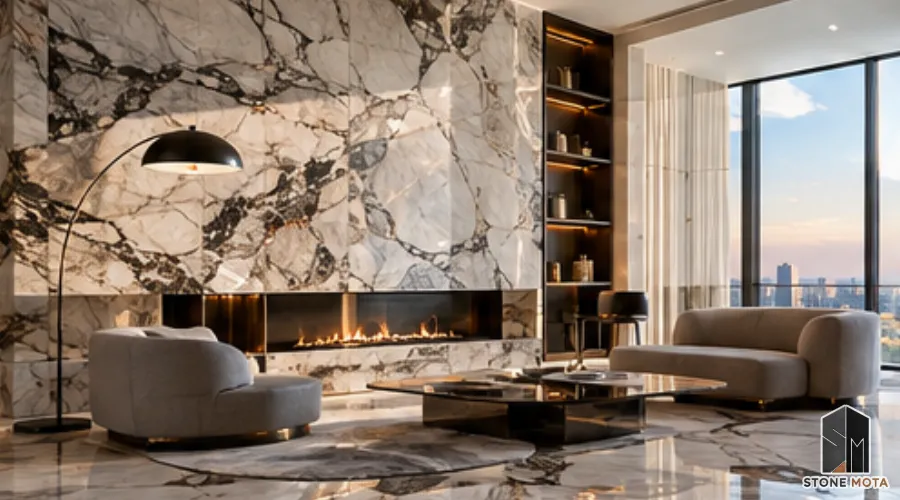
Feature walls
-
Fireplace surrounds
-
Entrance halls
-
Flooring
-
Staircases
-
Kitchen surfaces
-
Bathroom walls
-
Vanity surfaces
-
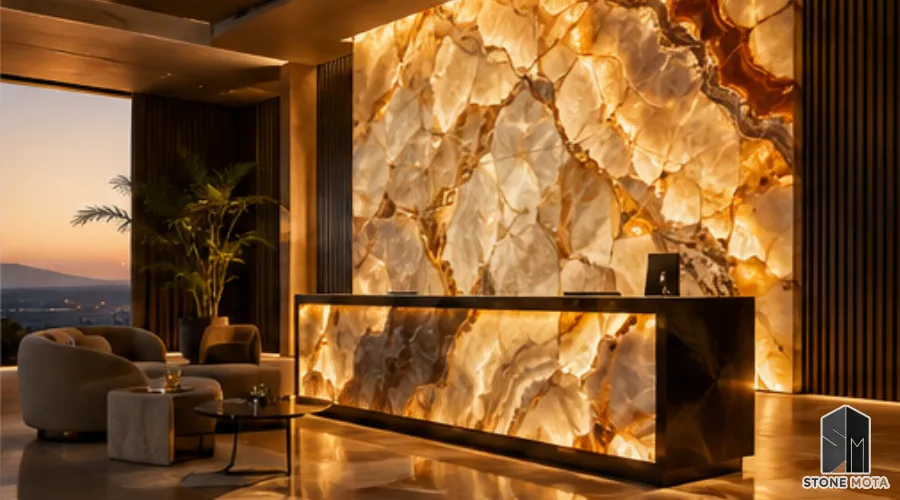
Reception areas
-
Luxury hospitality interiors
The application should determine the stone selection, finish and fabrication method.
Understanding Marble Veining
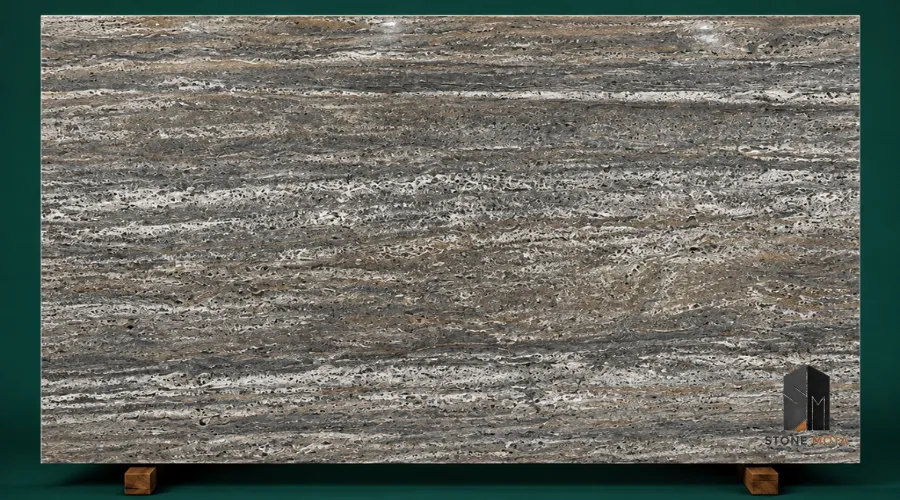
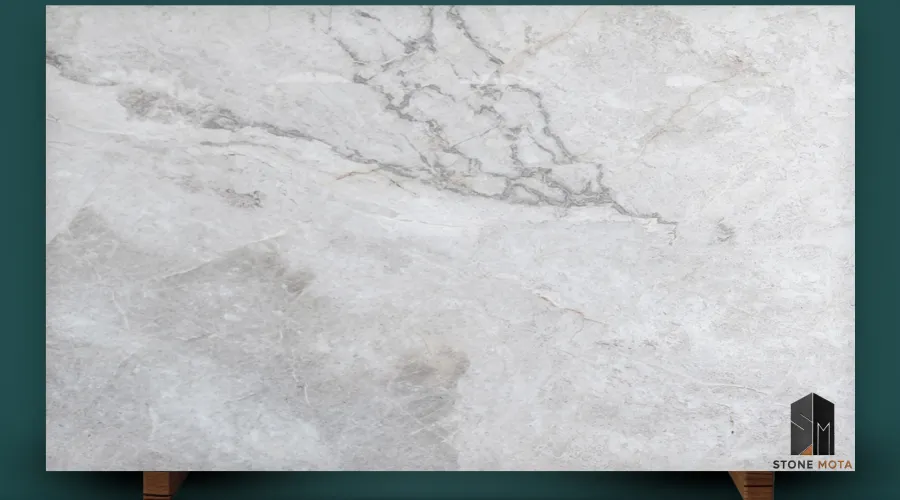
Veining is one of the first characteristics designers usually notice when choosing marble.
Some varieties have delicate lines that create a quiet and refined appearance.
Others feature dramatic veins with strong contrasts that can become the central visual element of a room.
The direction of the veins can also influence the design.
Bookmatching, for example, can arrange two slabs so their natural patterns mirror one another. This technique can transform a marble wall into a large-scale artistic composition.
Choosing the Right Marble Color
Marble is available in an extensive range of visual expressions.
White marble can create a bright and elegant atmosphere.
Dark marble can introduce drama and contrast.
Green, beige, gray and warmer tones can create completely different moods.
The surrounding materials also matter.
Marble combined with natural wood can create warmth.
Marble with dark metal can create a contemporary and dramatic appearance.
Glass and marble can produce a lighter, more sophisticated architectural environment.
Therefore, marble should be evaluated as part of the entire design rather than as an isolated material.
Polished, Honed or Textured?
Surface finish can significantly change the character of marble stone.
Polished Marble
Polished surfaces emphasize color, depth and natural patterns while producing a reflective appearance.
This finish is often associated with luxurious interiors.
Honed Marble
Honed marble has a softer, less reflective appearance.
It can work particularly well in contemporary interiors where a more understated surface is preferred.
Textured Finishes
Certain applications may benefit from more tactile surfaces that emphasize the natural character of the stone.
The appropriate finish depends on the location, desired appearance and technical requirements of the project.
Marble and Lighting
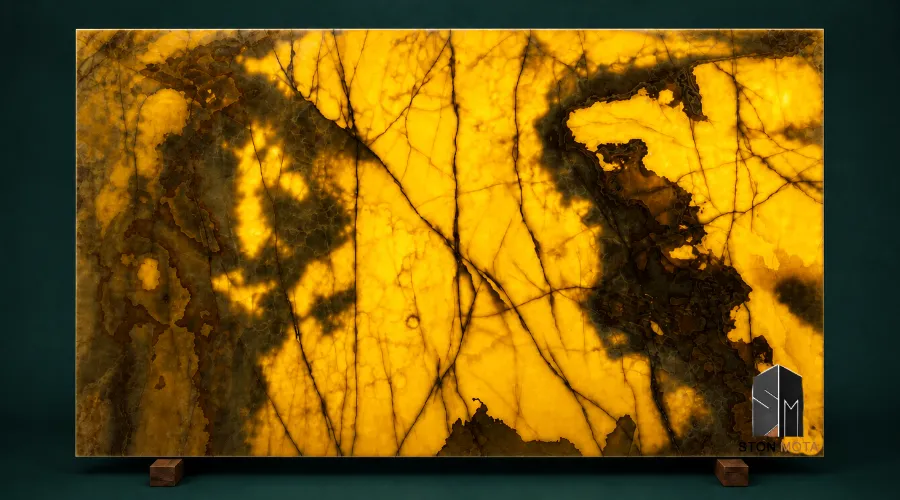
Lighting deserves special attention when marble is being used as a feature material.
Directional lighting can emphasize veins and create shadows across the surface.
Large windows can reveal the natural movement of a slab during daylight.
Warm artificial lighting can make certain marble colors appear deeper and richer.
For this reason, viewing marble samples under different lighting conditions can be useful before final selection.
Marble in Modern Interior Design
Modern design does not necessarily mean using fewer natural materials.
In fact, marble can provide an important contrast to minimalist architecture.
Imagine a simple interior composed of glass, timber and neutral furniture. A dramatic marble wall can introduce movement without requiring additional decorative elements.
The stone itself becomes the artwork.
This approach is particularly effective when the rest of the space is visually restrained.
Caring for Marble
Marble is a natural material and should be treated accordingly.
Its maintenance requirements depend on the type of marble, surface finish, application and level of use.
Spills should be addressed appropriately, and cleaning products should be selected specifically for natural stone surfaces.
For demanding applications, professional advice about sealing and maintenance can help protect the appearance of the stone.
Understanding these requirements before installation is an important part of successful marble design.
Selecting Marble by Slab, Not Just by Sample
Small samples can be useful, but they cannot always communicate the full character of a marble slab.
Large-scale patterns may only become visible when the complete slab is viewed.
For major architectural applications, designers should consider:
-
Overall veining
-
Color consistency
-
Pattern direction
-
Thickness
-
Surface finish
-
Intended installation
-
Lighting conditions
-
Relationship with surrounding materials
This approach can help ensure that the selected stone supports the architectural concept.
The STONE MOTA Approach
At STONE MOTA, marble is viewed as a design material with its own natural language.
Every slab carries geological patterns that cannot be reproduced exactly.
Our goal is to help architects, designers and clients find natural stone that complements the intended atmosphere of their project.
From subtle surfaces to dramatic statement pieces, the right marble can give architecture a distinctive visual signature.
Final Thoughts
Marble stone combines natural variation with a refined architectural presence.
Its veins can create movement, its colors can establish mood, and its surfaces can turn functional areas into memorable spaces.
The most successful marble projects do not simply use expensive stone. They select the right pattern, finish, scale and application for the architecture.
At STONE MOTA, we believe marble reaches its full potential when its natural character becomes part of the design itself.